
Final Stone Finishing
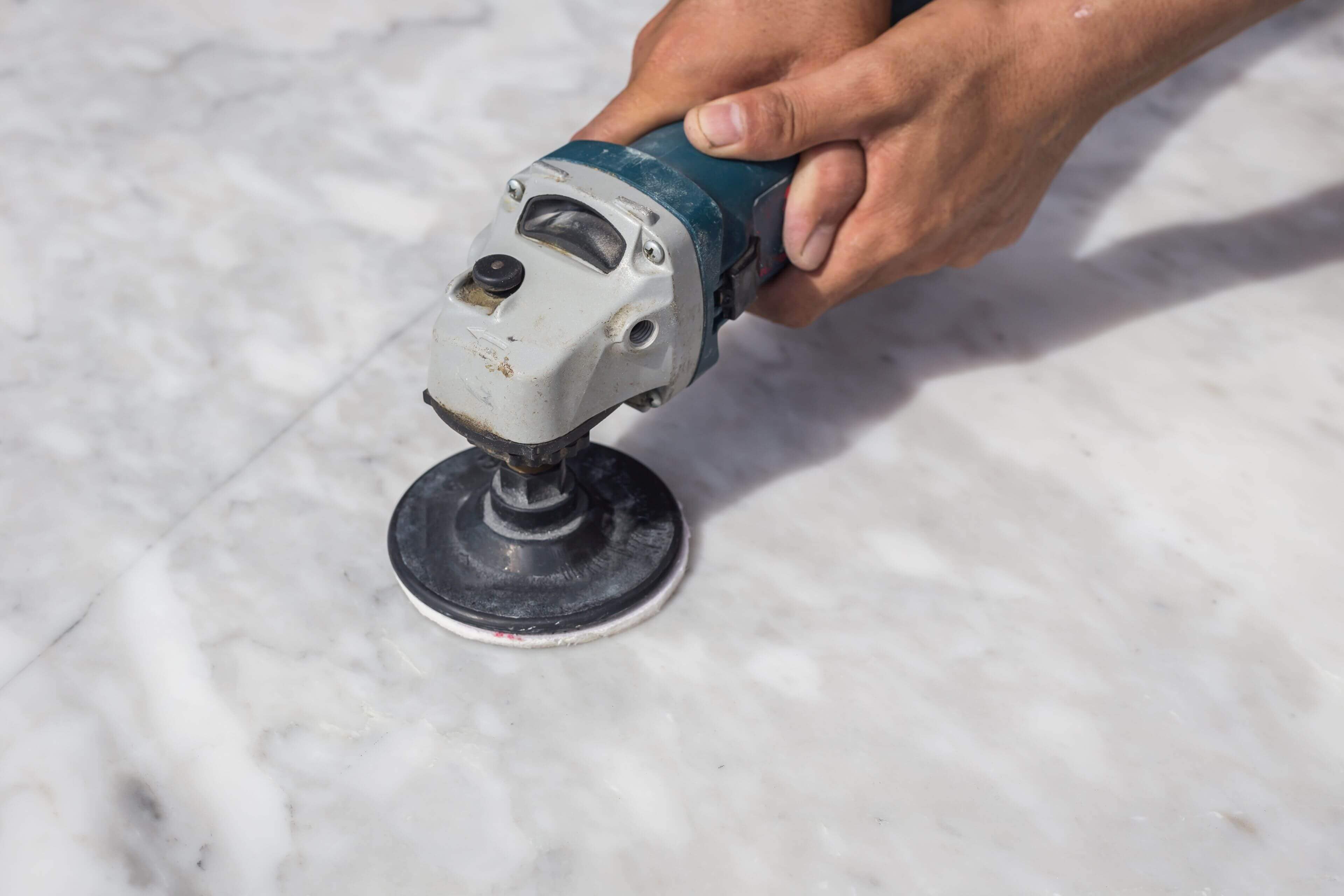
The final stone finishing refers to the last steps in stone processing that give it its final appearance and functionality. These steps are crucial to making the stone both aesthetically appealing and durable, offering resistance to external factors.
There are various stone finishing techniques, which depend on the type of material and its intended use.
Polishing is a process used to achieve a smooth, glossy surface. It is commonly applied to marble, granite, and other types of stone to achieve a high shine that enhances the stone’s natural beauty. The polish also protects the stone from external influences.
Honing and sandblasting involve processing the stone surface with special tools to create a rough finish. This method is commonly used for pool edges, fireplace cladding, facades, columns, outdoor walking surfaces, staircases, and tombstones. It enhances both the stone’s durability and its non-slip properties.
To improve protection and make maintenance easier, honed or sandblasted surfaces are typically treated with a sealant.
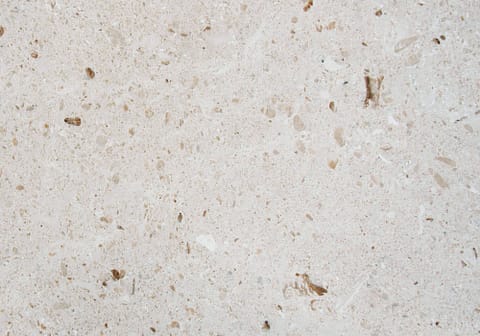
Final Stone Finishing
Polished finish, Plano

Final Stone Finishing
Honed Finish, Plano
Četkanje kamena je proces obrade već obrađenih površina posebnim dijamantnim četkama različitih granulacija koje zaglađuju hrapave površine. Ovaj način obrade naziva se antiko.

Final Stone Finishing
Honed + antico, Plano
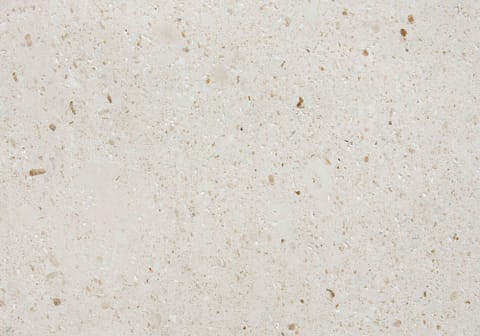
Final Stone Finishing
Antico, Plano
Brushing involves using special diamond brushes of different grits to smooth out rough surfaces. This technique results in a textured, antiqued finish (known as antico), giving the stone a more rustic and weathered appearance. It is particularly popular for both interior and exterior surfaces.
Grinding is used to remove coarse surfaces and imperfections on the stone, helping to achieve the desired texture or finish. Grinding can be applied to various types of stone depending on the desired look, including matte or polished finishes.
Engraving is a technique used to create patterns, inscriptions, or decorative elements on the stone surface. It can be done manually or with engraving machines, resulting in detailed, personalized elements on the stone, such as names, logos, or artistic designs.
Edge treatment involves rounding or profiling the edges to create a smooth and safe finish. This technique not only improves the stone’s aesthetic but also prevents damage or injury. Common edge treatments include:
Stone surfaces are often treated with various sealants or coatings to protect them from moisture, dirt, UV rays, and other environmental factors. These coatings help maintain the stone’s appearance and durability over time.
These stone finishing techniques are crucial for creating high-quality construction projects that incorporate stone as a building material or decorative element. The choice of finishing technique depends on the stone type, its intended use, and the specific project requirements. Proper treatment not only enhances the appearance of the stone but also ensures its longevity and resilience to external factors.